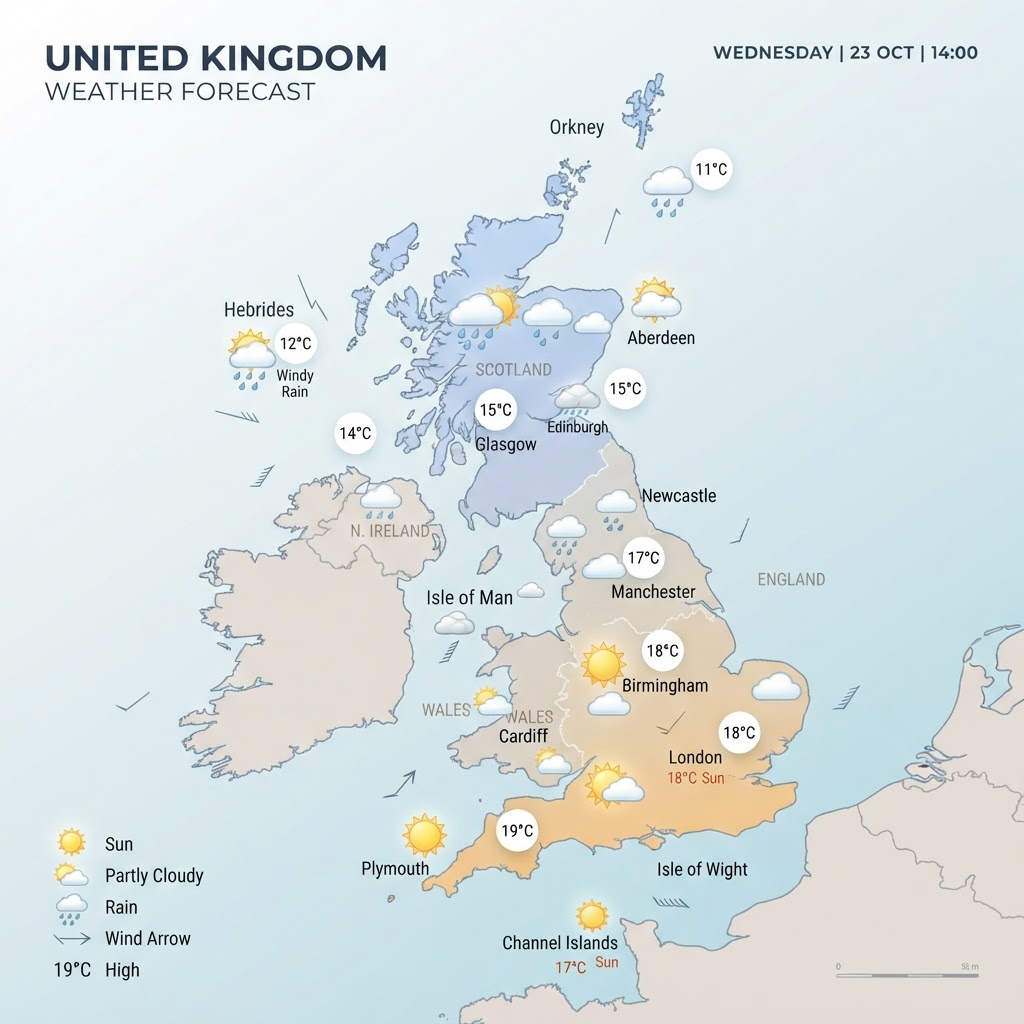
UK Placed Under Red Extreme Heat Alert as Europe Battles Ferocious Heatwave
The UK has been placed under a rare red extreme heat warning, signalling one of the most dangerous periods of hot weather the country has ever faced. Temperatures are forecast to climb towards 39°C, with the Met Office warning that the nation’s June temperature record is “very likely” to be broken over the next 48 hours. The alert covers large parts of central, southern and southeastern England, as well as south Wales, and remains in force from Wednesday morning through Thursday evening. This is only the second red heat warning ever issued in the UK, underscoring the severity of the conditions. The Met Office stresses that red warnings are reserved for “the most severe events”, where the heat poses a risk to life, even for healthy individuals, and where major disruption to daily routines is expected. But the UK is not alone. Across the Channel, France is enduring one of its most intense heatwaves on record, with temperatures exceeding 40°C in multiple regions. The extreme heat has triggered red alerts across more than half the country, forced hundreds of schools to close, and contributed to widespread power supply issues as the energy grid struggles under unprecedented demand. Together, these events mark one of the most significant early‑summer heat emergencies Europe has ever experienced. A Dangerous Heat Spike for the UK The heat began building earlier in the week, with temperatures already reaching the mid‑30s in parts of England and Wales. But forecasters warn the most intense phase is arriving now. According to the Met Office, temperatures are expected to reach at least 39°C, with a chance of exceeding that if conditions align. London and the southeast are at particular risk of breaking national records. Humidity is also unusually high, with dew points around 22°C forecast—levels more typical of tropical climates. This combination of heat and humidity significantly increases the risk of heat stress, making it harder for the body to cool itself. Compounding the danger, the UK is expected to experience “Tropical Nights”, where temperatures fail to drop below 20°C. This prevents the body from recovering overnight, increasing the likelihood of heat‑related illness. The Met Office warns that impacts will be “severe and significant”, with risks extending beyond vulnerable groups to the wider population. Transport disruption, pressure on emergency services, and increased health‑related incidents are all expected. Record‑Breaking Heat Likely Several long‑standing temperature records are poised to fall: • UK June record: 35.6°C (Southampton, 1976; Camden Square, 1957) — very likely to be broken. • Wales June record: 33.7°C (2000) — likely to be broken. • England: Potential to exceed 39°C, with an outside chance of surpassing the all‑time UK record of 40.3°C set in 2022. Even Scotland and Northern Ireland, which are less likely to break records, are expected to see temperatures in the high 20s to low 30s, far above seasonal norms. France: Extreme Heat, Red Alerts, and Power Disruption While the UK braces for its peak heat, France is already deep into a dangerous and prolonged heatwave. Temperatures have surged past 40°C, with some western regions forecast to reach 43°C. Météo France has issued red heat alerts for 54 departments, covering roughly half the country. The impacts have been severe: • Hundreds of schools have been forced to close to protect children from the extreme heat. • The country has experienced its hottest night since records began in 1947, with a national minimum temperature of 21.6°C. • Emergency measures include bans on outdoor sports, cooling stations in major cities, and deployment of emergency services to manage heat‑related incidents. The extreme temperatures have also placed enormous strain on France’s electricity grid. With millions of households relying on air conditioning, fans, and cooling systems, demand has surged to levels not typically seen until late July or August. According to reports, the heatwave has raised concerns over electricity supplies, with parts of the country experiencing power disruptions as infrastructure struggles under the load. These power issues have left many residents without cooling during the most dangerous hours of the day, heightening health risks and prompting local authorities to open public cooling centres. A Europe‑Wide Heat Emergency The heatwave gripping France and the UK is part of a broader continental crisis. Spain, Italy, Germany, and Switzerland have also issued heat alerts as temperatures soar above 40°C across large areas. Meteorologists attribute the extreme conditions to a heat dome, a slow‑moving high‑pressure system trapping hot air over western Europe while drawing even hotter air north from the Sahara. This pattern has created a stagnant, suffocating atmosphere with little wind and no natural relief. Health officials across Europe warn that the combination of high humidity, record‑breaking daytime temperatures, and unusually warm nights poses a serious threat, particularly to older adults, young children, and those with underlying health conditions. Impacts on Daily Life in the UK With the red warning now active, the UK is preparing for widespread disruption: Transport Rail operators are imposing speed restrictions due to the risk of rails buckling in the heat. Road surfaces may soften, increasing the risk of breakdowns and delays. Health Services The NHS is bracing for increased demand, with heat‑related illnesses such as dehydration, heat exhaustion, and heatstroke expected to rise sharply. Schools and Workplaces Some schools are adjusting hours or cancelling outdoor activities. Employers are being urged to adapt working conditions, especially for outdoor workers. Power and Water While the UK’s grid is currently stable, energy demand is expected to spike. Water companies are also urging residents to conserve water as usage surges. Why This Heatwave Matters Heatwaves are becoming more frequent, more intense, and longer‑lasting across Europe. The World Health Organization notes that more than 200,000 people across the continent have died from heat‑related causes in the past four years. The current event is a stark reminder that extreme heat is no longer a rare anomaly—it is a growing part of Europe’s climate reality. Staying Safe During the Red Warning With conditions expected to worsen before they improve, the Met Office and health authorities advise: • Avoiding the midday sun (11am–3pm). • Staying hydrated and avoiding alcohol. • Keeping homes cool by closing blinds and using fans. • Checking on vulnerable neighbours and relatives. • Avoiding strenuous activity, especially outdoors. Even healthy individuals are at risk during a red warning, so precautions are essential. Conclusion Today marks one of the most significant heat emergencies the UK has ever faced. With a red extreme heat warning in force and temperatures threatening national records, the coming days will test the resilience of communities, infrastructure, and emergency services. Meanwhile, France’s ongoing heatwave—bringing 40°C+ temperatures, school closures, and power disruptions—shows how quickly extreme heat can overwhelm even well‑prepared nations. As Europe swelters under this unprecedented heat dome, the message is clear: take the warnings seriously, stay cool, and look out for one another.