Met Office Heat Warnings: What to Expect Across the UK This Week
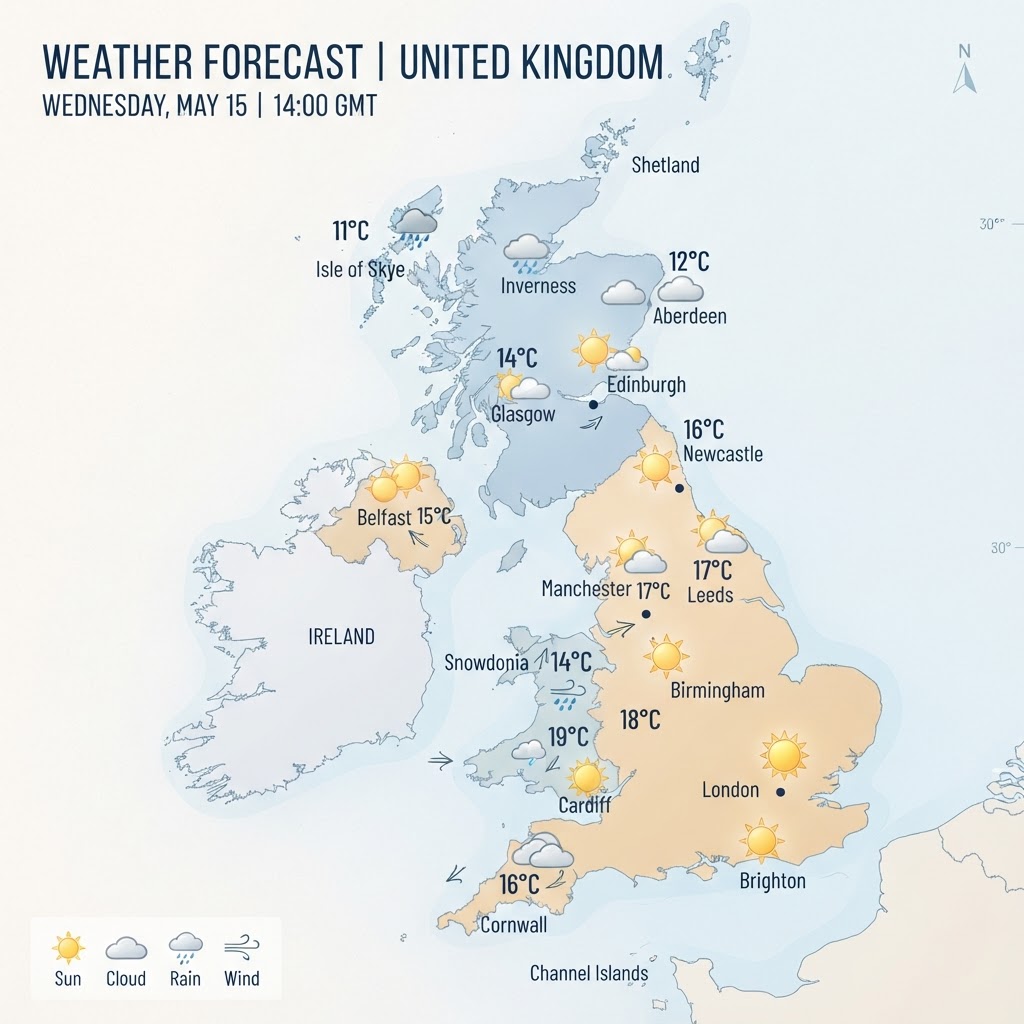
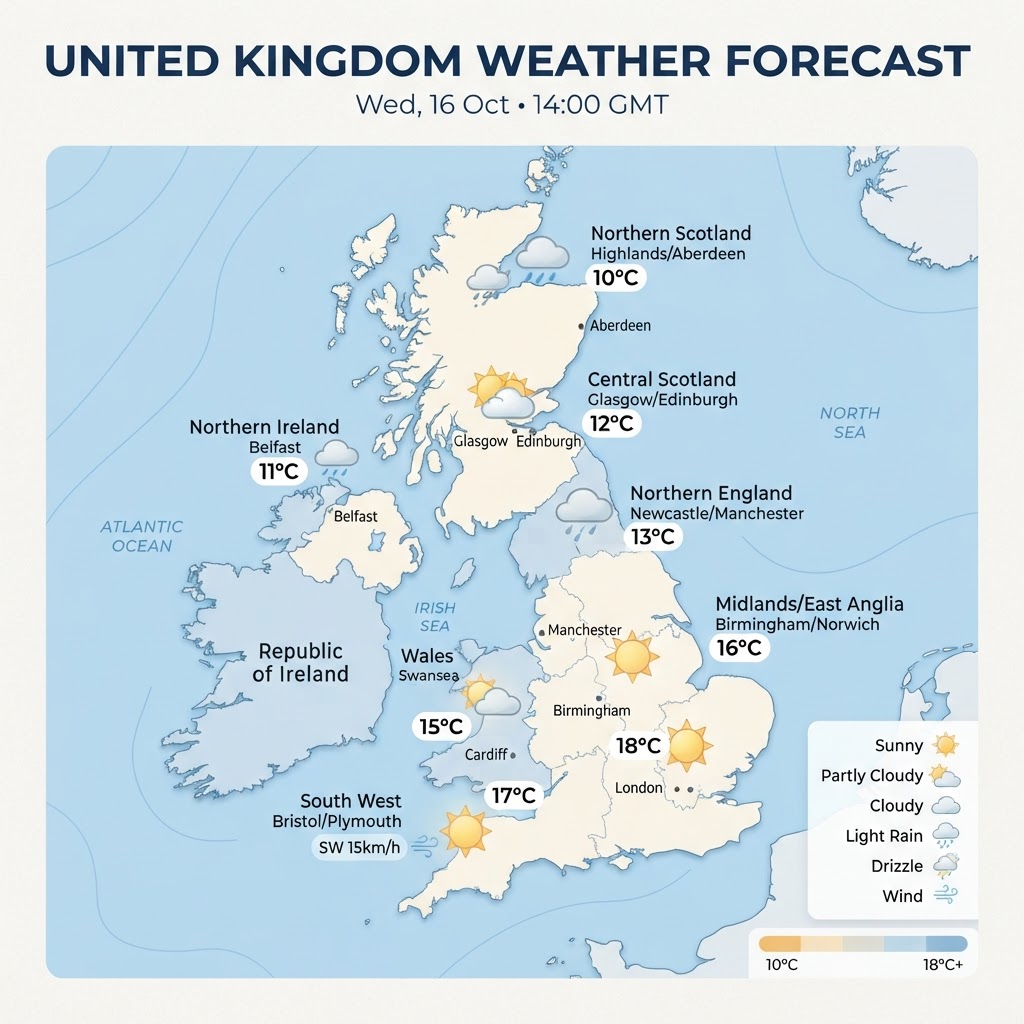
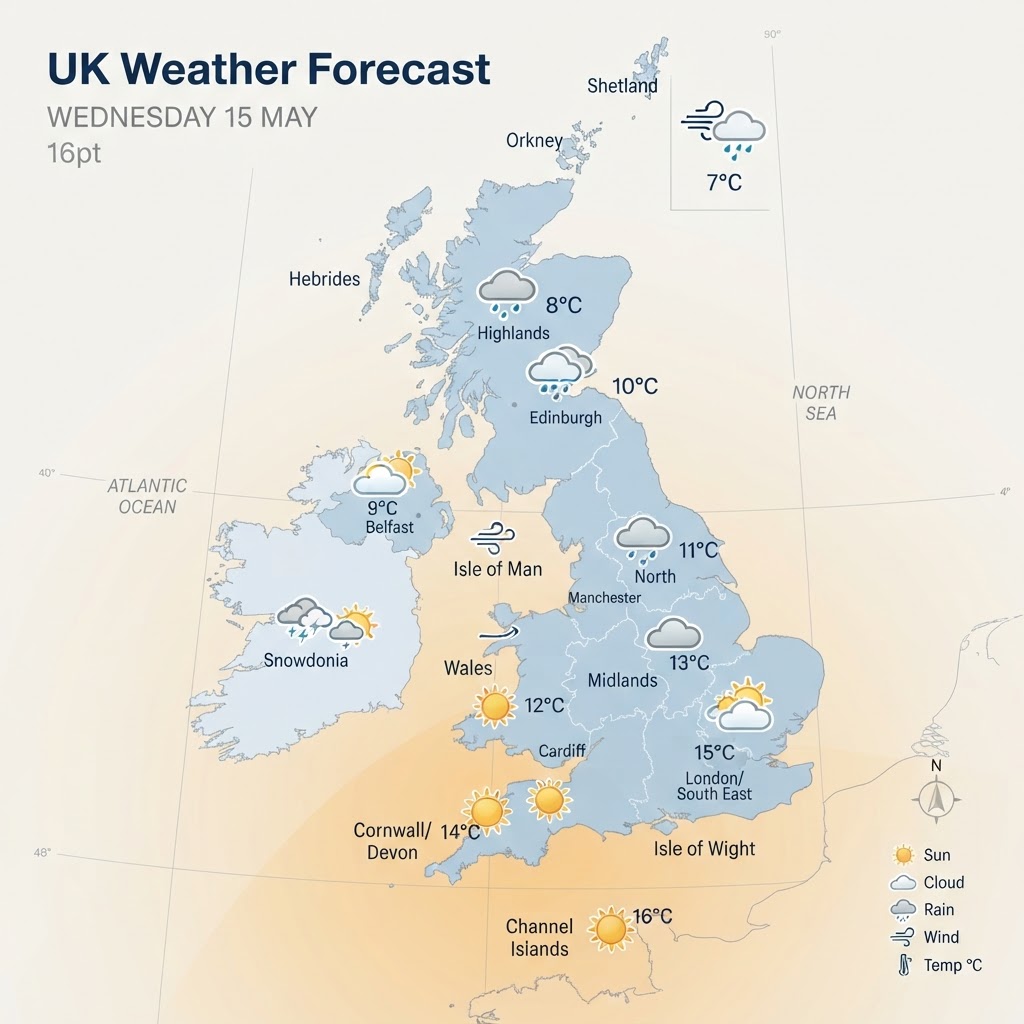
The UK is heading into one of its most significant hot spells of the summer so far, with the Met Office issuing a series of heat warnings that will remain in force through much of the week. These warnings highlight a period of persistent, intense warmth, unusually high overnight temperatures, and the potential for widespread impacts on health, infrastructure, and day‑to‑day life. For many parts of England and Wales, this will be the most prolonged stretch of heat seen so far this year, driven by a combination of strong June sunshine and a warm, humid air mass drawn up from the near continent. A Broad Area Under Alert The Met Office has placed large swathes of southern England, the Midlands, eastern England, and parts of Wales under yellow and amber heat warnings, depending on the severity expected in each region. Amber warnings—indicating a higher likelihood of health impacts and disruption—are focused on areas where temperatures are forecast to climb well into the high 20s and low‑to‑mid 30s Celsius, with some urban centres potentially exceeding 33–34°C at the peak of the heat. Yellow warnings cover a wider area, including parts of northern England and central Wales, where temperatures will still be notably high for the time of year but slightly less extreme. Even so, the combination of strong sunshine, light winds, and elevated humidity will make conditions feel uncomfortable for many. Why This Heat Is a Concern Heatwaves in the UK are not just about daytime temperatures. The real challenge often comes from warm, humid nights, which prevent homes from cooling down and place additional strain on vulnerable groups. This week, overnight lows in some regions may remain above 18–20°C, particularly in cities such as London, Birmingham, Cardiff, and Manchester. These “tropical nights” can significantly increase the risk of heat‑related illness, especially for older adults, young children, and those with underlying health conditions. The Met Office warnings emphasise the potential for: • Heat exhaustion and heatstroke, especially during the afternoon peak • Increased demand on health services, including NHS 111 • Disruption to transport, with rail networks particularly vulnerable to track buckling • Power supply issues, as high temperatures affect equipment and increase demand • Reduced water availability in some areas, with utilities monitoring usage closely Regional Breakdown Southern England This is where the most intense heat is expected. Temperatures could reach 33–35°C mid‑week, with the hottest conditions likely across the Home Counties, London, and the Thames Valley. Sunshine will be strong throughout, UV levels will be very high, and humidity will build as the week progresses. Nights will be particularly uncomfortable, with some areas struggling to fall below 21°C. Wales Much of southeastern and eastern Wales falls under the yellow warning, with temperatures widely reaching 27–30°C, and slightly higher in the border counties. Western coastal areas will be a little cooler thanks to sea breezes, but inland valleys may trap heat, leading to warm, sticky nights. The combination of heat and humidity may also trigger isolated thunderstorms later in the week. Midlands and Eastern England These regions will experience some of the most prolonged heat, with several consecutive days above 30°C. The amber warning reflects the cumulative impact of sustained warmth, especially in built‑up areas such as Birmingham, Nottingham, Leicester, and Norwich. Air quality may deteriorate at times, adding to discomfort for those with respiratory conditions. Northern England While not as hot as the south, temperatures will still climb into the mid‑20s to around 28°C, with strong sunshine and light winds. The yellow warning highlights the risk of heat stress for vulnerable groups, particularly in urban areas like Leeds, Manchester, and Newcastle. Nights will be warm but not as oppressive as further south. How Long Will the Heat Last? The hot spell is expected to peak mid‑week, with the highest temperatures likely between Wednesday and Friday. After that, a gradual shift in the weather pattern may bring cooler Atlantic air, lowering temperatures but potentially introducing thundery breakdowns. These storms could be intense and slow‑moving, bringing the risk of localised flooding, lightning, and hail. However, confidence in the exact timing of the breakdown remains low. Some models suggest the heat could linger in the southeast into the weekend, while others show a more decisive shift to fresher conditions by Saturday. Health and Safety Advice The Met Office and UK Health Security Agency (UKHSA) are urging the public to take sensible precautions throughout the week. Key advice includes: • Stay hydrated, drinking plenty of water even if you don’t feel thirsty • Avoid the midday sun, especially between 11am and 3pm • Use high‑factor sunscreen, ideally SPF 30 or above • Keep homes cool by closing blinds and curtains during the day • Check on vulnerable neighbours or relatives, particularly older adults • Never leave children or pets in parked cars, even for a short time For those working outdoors, employers are encouraged to adjust hours where possible, provide shaded rest areas, and ensure regular hydration breaks. Impact on Travel and Infrastructure Transport networks often struggle during prolonged heat. Rail operators have already warned of potential speed restrictions to reduce the risk of track damage. Road surfaces may soften in the hottest areas, and drivers are advised to carry water and plan for delays. Airports may also experience minor disruption, particularly during peak afternoon heat when tarmac temperatures can exceed 50°C. Looking Ahead While hot spells are not unusual in late June, the intensity and duration of this week’s heat are noteworthy. As the UK continues to experience more frequent extreme weather events, heat warnings are becoming an increasingly important tool for public safety. For now, the focus remains on getting through the coming days safely. Whether you’re working, travelling, or simply trying to stay cool at home, staying informed and taking sensible precautions will make a big difference.